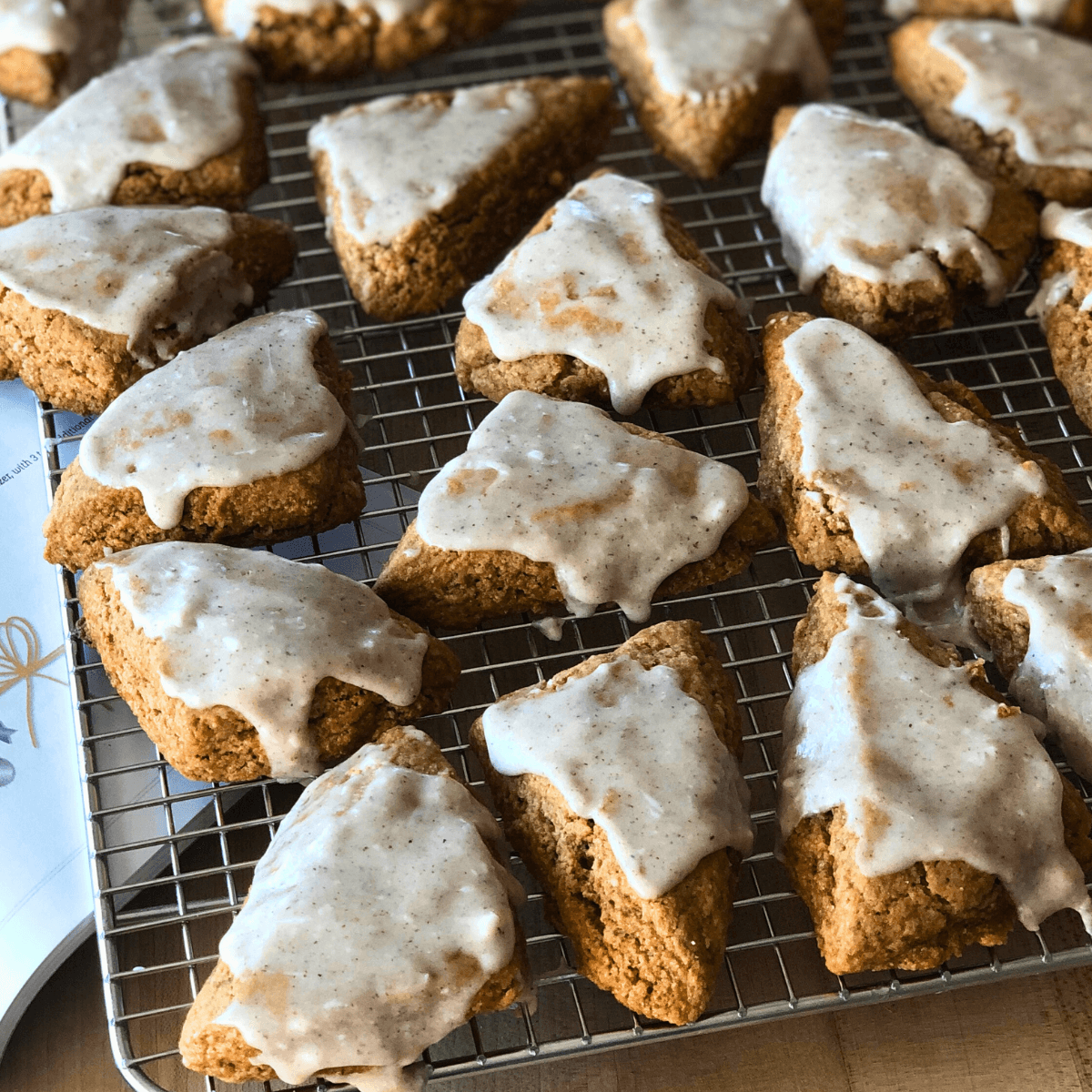
Buttery Sourdough Discard Buttermilk Biscuits
Perfect with almost any dish, buttery sourdough discard buttermilk biscuits is a recipe you want to have in your sourdough baking repertoire!
These are easy to put together for a family dinner night. Personally, I love how I can make these on weeks where my kids’ appetites is ahead of my bread making!
Learn all the steps to get delicious buttery, flaky, flavorful sourdough biscuits with sourdough discard. Enjoy with dinner, topped with butter, or as a morning treat with fresh jam.

Why Sourdough Discard?
These biscuits are a great way to use leftover sourdough starter, known as sourdough discard.
The sourdough discard adds a tang to the flavor and when the dough is able to ferment for a few hours it develops the flavor even more and makes a more tender crumb.
Sourdough discard has many benefits in baking:
- Enhances Flavor
- Softens Texture/Crumb
- Breaks Down Flour for Better Digestibility
- Great Ingredient Swap!

Learn more about sourdough discard and how to store extra starter in these posts:
- What is sourdough discard?
- Why use Sourdough Discard?
- How to store sourdough discard
- How to use sourdough discard
Ingredients List
To make 16 biscuits, use the following ingredient amounts:
- For the sourdough biscuit dough:
- 400 grams (2 2/3 cups) all-purpose flour
- 80 grams (2/3 cup) whole wheat flour (can substitute all-purpose)
- 15 grams (1 T.) baking powder
- 4 grams (1 t.) baking soda
- 10 grams (1 1/2 t.) sea salt
- 226 grams (1 cup) unsalted butter, chilled
- 260 grams (about 1 cup) sourdough discard
- 110 grams (1/4 cup and 3 T.) buttermilk* (see substitute below)
- 50-70 grams (3-5 T.) water
- For topping:
- Optional: extra buttermilk to brush on top of the shaped biscuits
- Optional: sprinkle of flaked sea salt for savory biscuits or sugar for sweet biscuits.
Ingredient Notes: If you don’t have buttermilk, you can substitute whole milk mixed with lemon juice or white vinegar. To make 1 cup or 225 grams of buttermilk, squeeze 1 tablespoon of lemon juice into a liquid measuring glass
Tools You’ll Need
- Mixing bowl
- Pastry cutter or forks
- Baking sheet
- Parchment paper or baking mat
- Rolling pin (Earlywood made in USA)
- Pastry brush

Buttermilk in Sourdough Biscuits and Substitutes
The sourdough discard adds great depth of flavor and tanginess to this biscuit recipe. In other recipes I use it as a swap for buttermilk.
But I like using a small amount of buttermilk to combine the tartness of the buttermilk with the sourdough and the fat of the buttermilk makes these biscuits richer in flavor and softer in texture.
You can substitute your choice of milk (whole milk or vegan alternative) by adding 1 T. lemon juice to 1 cup of the milk of your choice and letting it set together for 5 minutes before use.
Making the Biscuit Dough
Combine the dry ingredients: flour, baking powder, baking soda, and salt in a large mixing bowl.
Before adding the chilled butter, cut it into 1/2-inch size pieces so it is easier to combine.
Add all the butter and use a pastry cutter* to combine the butter into the dry ingredients until the dough is crumbly and sandy with butter well-dispersed.
Add the wet ingredients: sourdough discard, buttermilk, and 50 grams (3 T.) water*. Mix into the dry dough with a rounded plastic dough scraper, stiff spatula, or large spoon.
Don’t overmix, mix until nearly all the flour is hydrated. A little bit of dry flour is okay since you’ll be shaping it soon which mixes in the remaining dry flour.

*Notes: You can use two forks instead of a pastry cutter, but it will take extra time and effort to combine thoroughly. If your dough is too dry (sourdough discard is an inconsistent ingredient), add 10 grams (1 T.) more water then remix.
What is Overmixing?
Flour contains gluten, a protein that forms when it comes into contact with liquid. As you mix or knead, gluten strands develop and strengthen.
For tender baked goods like biscuits and scones, you want minimal gluten development. Overmixing makes the texture chewy instead of soft and flaky—the opposite of what you want.
The key is to mix only until the dry ingredients have just absorbed the liquid. It’s better to undermix than overmix, so when in doubt, stop early.
Avoid kneading or stirring beyond that point.
Using a pastry cutter, forks, or cutting into the dough with a rounded plastic dough scraper helps to mix the dough while minimizing gluten development.
Note: Gluten can also develop strength over time without kneading—this is the principle behind no-knead bread. You can learn more about that in this post
Why is Sourdough Discard Inconsistent?
Sourdough discard can vary quite a bit, which means bakers need to stay flexible when using it in recipes. Here’s why:
- Texture Differences: Each starter has its own mix of wild yeast and bacteria, which affects fermentation, flavor, and texture. Some are thicker, tangier, or more bubbly than others.
- Different Discard Stages: Even within the “discard stage,” the consistency can change. Right after a starter falls, it may be slightly bubbly and foamy. A few hours later, it might resemble a thick milkshake. If it’s been sitting in the fridge for days, it often has a thinner, ranch-like texture.
- Inaccurate Measuring: Measuring discard by volume (like cups) isn’t reliable because the thickness can vary so much. Scooping vs. pouring can change how much you’re actually using. For better accuracy, use a kitchen scale. Need help with that? Check out this post: linkhere
Easy Shaping for Sourdough Discard Biscuits
Shaping this dough into square biscuits is easier than using a biscuit cutter, creates less waste, and avoids overworking the dough.
Place the dough on a lightly floured surface. Lightly flour your rolling pin so it doesn’t stick to the dough as you roll it out.
Roll out the dough until it is a 10-inch by 10-inch square with an even thickness (about 1 inch). Use the rolling pin to push in the edges to create a more square like shape and roll out high spots from the center out toward the corners.

Use a large knife or metal bench scraper to score the cutting lines before cutting. Divide the dough into 16 pieces by using the sharp edge to leave an indentation through the center of the square like a big cross or plus sign.
Then score each fourth through the center the same way to create 16 equally sized pieces.

Cut the biscuits and then place cut biscuits 1-2 inches apart on a baking sheet lined with parchment paper. Cover with plastic wrap.

Optional Fermentation
You can skip this step and go straight to preheating the oven and baking.
However, this step will create the best flavor, tenderness, and digestibility of the biscuits.
Place the covered biscuits into the fridge for at least 2 hours, up to 12 hours*. This is a great one to make ahead of time, place in the fridge and enjoy the next day!
*You could leave the biscuits at room temperature for 2 hours to speed up fermentation and then place them in fridge for a minimum of 30 minutes to rechill the dough or up to 12 hours.
Baking Homemade Sourdough Biscuits
Preheat the oven to 450 degrees F (232 degrees C).
Use a pastry brush to brush the extra buttermilk on the tops of the biscuits before they go into the oven. You can sprinkle on a pinch of flaked sea salt on each biscuit, if you’d like.

Bake for 13 to 15 minutes until the tops are golden brown and a toothpick inserted into the center comes out clean.
Let the biscuits cool for 5 to 10 minutes before serving.

How to Serve Buttery Sourdough Discard Biscuits
Here are some ideas to serve these buttery sourdough biscuits:
- Eggs on Biscuits for Breakfast
- Chicken and Biscuits
- Butter and Jam on Biscuits
- Biscuits and Sausage Gravy
5 Tips for Perfect Biscuits
- Use cold butter for layers in your flaky sourdough biscuits
- Don’t overwork the dough to ensure light, tender biscuits
- Square biscuits are easier to shape, create less dough waste, and are less likely to overwork the dough
- If you do the optional fermentation, make sure to chill biscuits before baking
- Experiment with different add-ins like shredded cheese, herbs, or garlic
More Sourdough Discard Recipes
Some inspiration for using leftover sourdough starter discard:
- Sourdough Waffles (using an overnight sponge for a big batch!)
- Sourdough Pancakes
- Sourdough Shortcakes/Sweet Plain Scones (basically a dessert biscuit!)
- The Best Sourdough Discard Graham Crackers Recipe
- Sourdough Apple Fritter Bread Fall Sourdough Recipe
Enjoy and Create
I love making these for dinner when I open the bread box and discover that my kids’ appetites have gotten ahead of my sourdough bread making, and my kids don’t mind because they get to enjoy flaky biscuits!
As far as sourdough recipes go, this recipe comes together quickly to become a perfect side for the whole family.
Share this with a friend who wants to make the best biscuits using sourdough. I would love it if you would leave a comment here or on instagram @livingbreadbaker if you make them!
Ready for more sourdough?
If you love easy sourdough recipes like these biscuits, you’ll love my free sourdough email course!
Get step-by-step lessons to help you build your starter, bake your first loaf, and finally feel confident with sourdough.
Perfect for beginners and busy home bakers!
Living Bread Baker posts mentioned
How to Store Sourdough Discard for Starter Discard Recipes
How to use Sourdough DiscardSourdough Waffles
Sourdough Shortcakes/Sweet Plain Scones
The Best Sourdough Discard Graham Crackers Recipe
Sourdough Apple Fritter Bread Fall Sourdough Recipe
Shop this post
free sourdough quick start guide
online Intro. to Sourdough course
This post contains affiliate links. Read my policy here.


Buttery Sourdough Discard Buttermilk Biscuits
Equipment
- Mixing Bowl
- pastry cutter (or forks)
- baking sheet
- Parchment paper or baking mat
- Rolling Pin
- Pastry brush
Ingredients
For the sourdough biscuit dough:
- 400 grams all-purpose flour 2 2/3 cups
- 80 grams whole wheat flour (can substitute all-purpose) 2/3 cup
- 15 grams baking powder 1 T.
- 4 grams baking soda 1 t.
- 10 grams sea salt 1 1/2 t.
- 226 grams unsalted butter, chilled 1 cup
- 260 grams sourdough discard about 1 cup
- 110 grams buttermilk* (see substitute below) 1/4 cup and 3 T.
- 50-70 grams water 3-5 T.
For topping:
- Optional: extra buttermilk to brush on top of the shaped biscuits
- Optional: sprinkle of flaked sea salt for savory biscuits or sugar for sweet biscuits.
Instructions
Making the Biscuit Dough
- Combine the dry ingredients: flour, baking powder, baking soda, and salt in a large mixing bowl.
- Before adding the chilled butter, cut it into 1/2-inch size pieces so it is easier to combine.
- Add all the butter and use a pastry cutter* to combine the butter into the dry ingredients until the dough is crumbly and sandy with butter well-dispersed.
- Add the wet ingredients: sourdough discard, buttermilk, and 50 grams (3 T.) water*. Mix into the dry dough with a rounded plastic dough scraper, stiff spatula, or large spoon.
- Don’t overmix, mix until nearly all the flour is hydrated. A little bit of dry flour is okay since you’ll be shaping it soon which mixes in the remaining dry flour.
Easy Shaping for Sourdough Discard Biscuits
- Shaping this dough into square biscuits is easier than using a biscuit cutter, creates less waste, and avoids overworking the dough.
- Place the dough on a lightly floured surface. Lightly flour your rolling pin so it doesn’t stick to the dough as you roll it out.
- Roll out the dough until it is a 10-inch by 10-inch square with an even thickness (about 1 inch). Use the rolling pin to push in the edges to create a more square like shape and roll out high spots from the center out toward the corners.
- Use a large knife or metal bench scraper to score the cutting lines before cutting. Divide the dough into 16 pieces by using the sharp edge to leave an indentation through the center of the square like a big cross or plus sign.
- Then score each fourth through the center the same way to create 16 equally sized pieces.
- Place cut biscuits 1-2 inches apart on a baking sheet lined with parchment paper. Cover with plastic wrap.
Optional Fermentation
- You can skip this step and go straight to preheating the oven and baking. However, this step will create the best flavor, tenderness, and digestibility of the biscuits.
- Place the covered biscuits into the fridge for at least 2 hours, up to 12 hours*. This is a great one to make ahead of time, place in the fridge and enjoy the next day!
Baking Homemade Sourdough Biscuits
- Preheat the oven to 450 degrees F (232 degrees C).
- Use a pastry brush to brush the extra buttermilk on the tops of the biscuits before they go into the oven. You can sprinkle on a pinch of flaked sea salt on each biscuit, if you’d like.
- Bake for 13 to 15 minutes until the tops are golden brown and a toothpick inserted into the center comes out clean.
- Let the biscuits cool for 5 to 10 minutes before serving.
Notes
- Ingredient Notes: If you don’t have buttermilk, you can substitute whole milk mixed with lemon juice or white vinegar. To make 1 cup or 225 grams of buttermilk, squeeze 1 tablespoon of lemon juice into a liquid measuring glass
- Mixing Notes: You can use two forks instead of a pastry cutter, but it will take extra time and effort to combine thoroughly. If your dough is too dry (sourdough discard is an inconsistent ingredient), add 10 grams (1 T.) more water then remix.
- Fermentation notes: You could leave the biscuits at room temperature for 2 hours to speed up fermentation and then place them in fridge for a minimum of 30 minutes to rechill the dough or up to 12 hours.