Cold Fermentation vs Room Temperature: Which Is Better?
Understanding how ambient room temperature or cold temperature impact fermentation is crucial to perfecting your bread, whether it’s sourdough, pizza dough, or sandwich loaves.
These methods impact how the dough ferments, how much flavor development occurs, and the overall fermentation time.
This post breaks down these two methods, exploring the science behind slower and faster fermentations, so you can get the best flavor, ideal texture, and the perfect pizza crust or loaf. 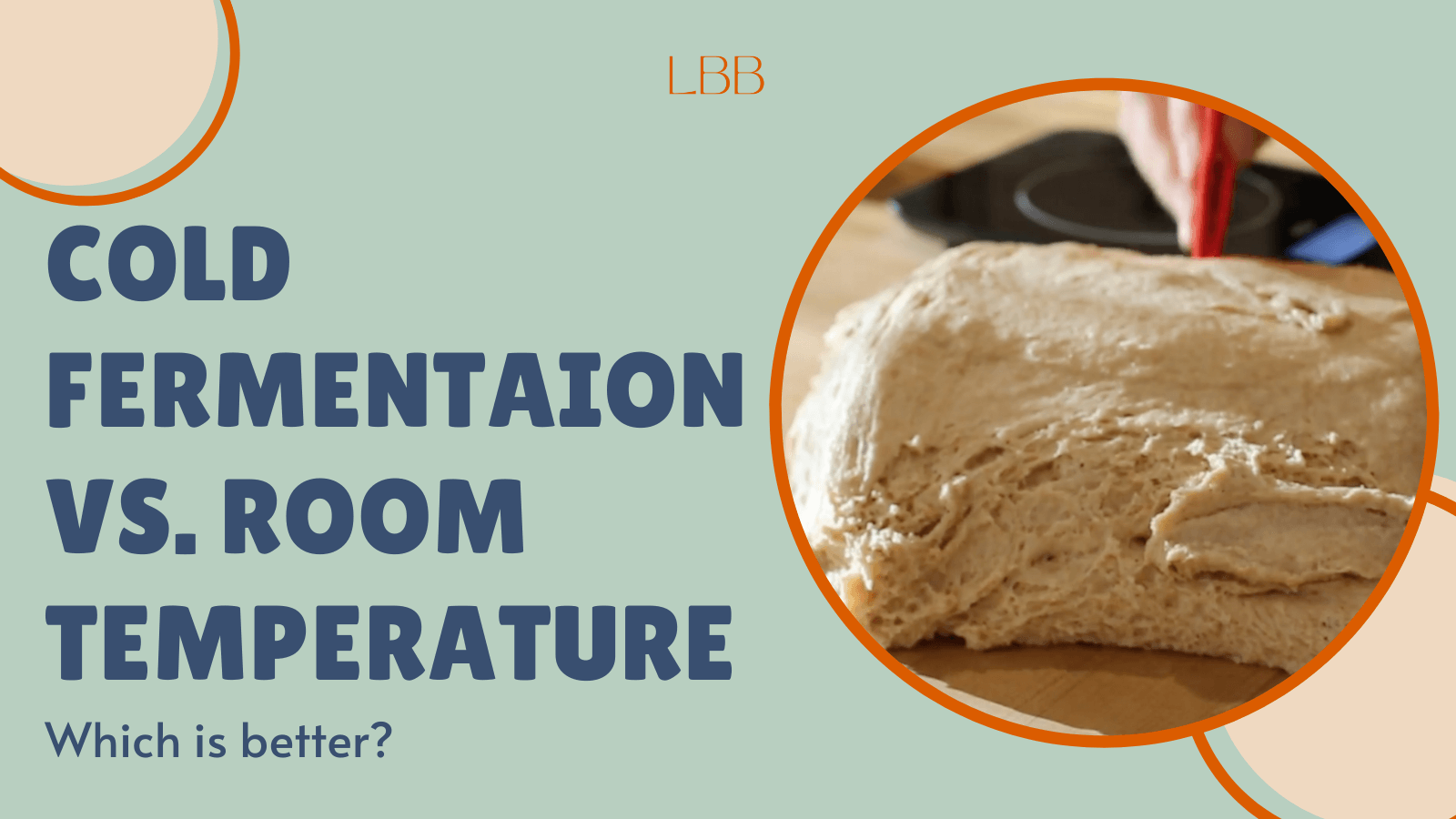
What is Dough Fermentation?
During the bread-making process, there are several things happening in the dough as it sits.
The protein and enzymes in the flour make gluten connections for a strong dough, while the yeast consumes simple sugars in the dough and creates carbon dioxide gas bubbles that rise the dough as a byproduct.
This process begins as soon as the yeast or leaven is added, and continues through all the bread-making process.
Why Does Temperature Matter?
Yeast love warm temperature environments.
The optimal temperature range for yeast is 68-81°F (20-27°C).
In warmer temperatures, yeast work faster and multiply faster which means your dough will be ready for the next stage faster. All your time ranges will be on the shorter end in seasons like summer.
Meanwhile, cooler temperatures slow the yeast down, but this isn’t necessarily a bad thing!
How Does Dough Temperature Affect Bread Flavor
With sourdough, we aren’t just working with yeast consuming simple sugars in the flour and creating carbon dioxide gas bubbles, there are forms of good bacteria in the sourdough starter.
These bacteria form a variety of acids like lactic acid and acetic acid in the bread dough. The acids create different flavors in the bread.
The fermentation temperature has a big impact on the unique balance of acids and flavor in the final bread.
Room Temperature vs. Cold Temperature Fermentation
Different factors influence the fermentation and can change the speed of fermentation, the flavor of the bread, bread texture, and crust.
The biggest impact comes from the fermentation temperature: room temperature (also known as ambient temperature) versus cold temperature.
In the following sections, I will break down the benefits and best uses of each type of fermentation. At the end I’ll give my thoughts on the best method.
Room Temperature Fermentation: Faster, Variable
What is Room Temperature Fermentation?
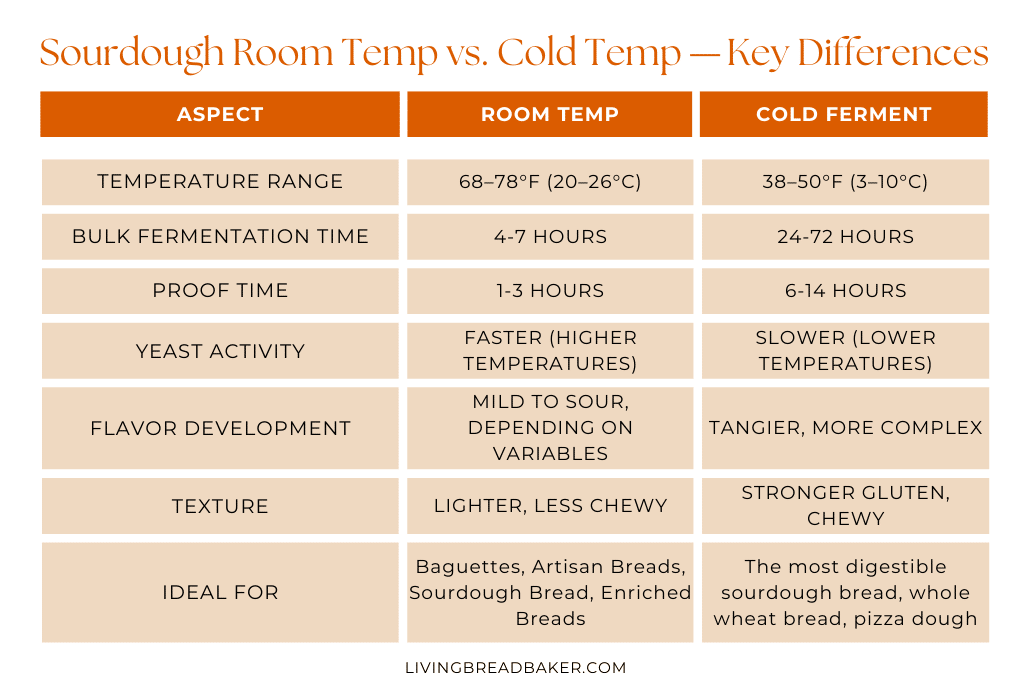
This method keeps the dough at warm temperatures, typically between 68–78°F (20–26°C), for the first rise (also known as bulk fermentation) and the second rise (proofing).
Key Characteristics
- Faster Fermentation: Warmer temperatures increase yeast activity, producing more carbon dioxide for a quick dough rise. This form of fermentation creates more lactic acid.
- Shorter Time: Room temperature fermentation takes just 3–6 hours for most breads, making it a good choice for bakers short on time.
- Varied Results: Since the temperature can vary between seasons and climates, this method can give you a wide variety of results and requires knowledgeable observation to know when your dough is done with each rise.
- Milder Flavor: A shorter fermentation, especially in certain warm climates or warm seasons, produces fewer acids, resulting in milder bread flavors.
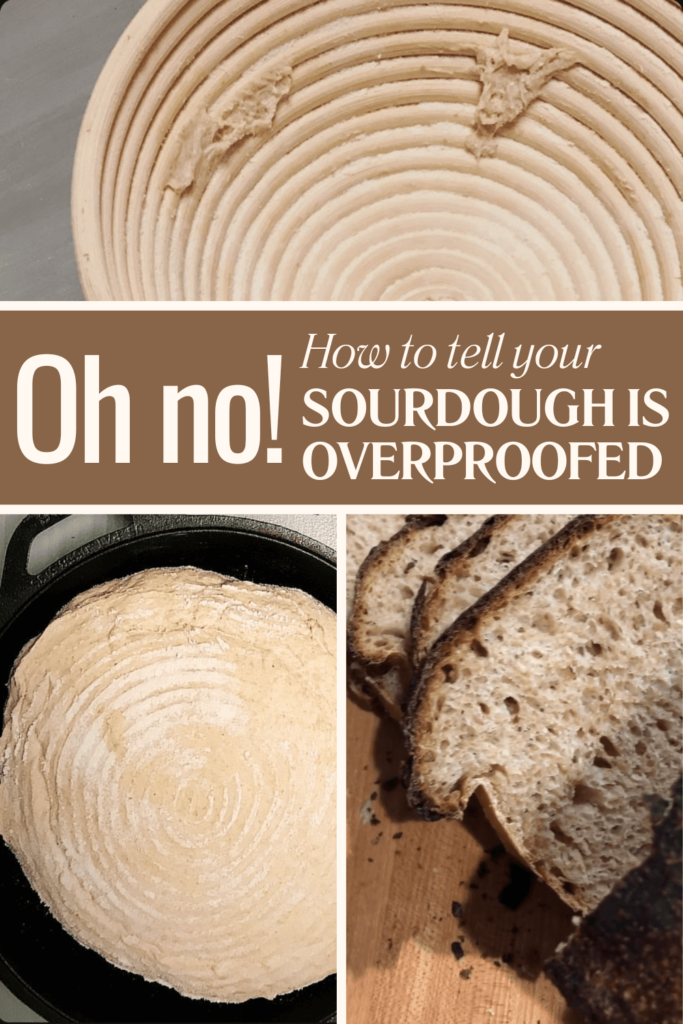
- Sour Flavor: An extended room temperature fermentation can create more sour flavor in the bread, but you must be careful to avoid overfermenting.
Best Uses for Room Temperature Fermentation
- Baguettes: Baguettes fermented at room temperature will have a mild flavor that is more true to the French style.
- Sourdough Bread: The full process from starter prep to finished loaf can take 24 hours or less with this method! Perfect for a lovely, classic sourdough loaf to share. Let it ferment for the first rise a bit longer, about 7 to 9 hours for more sour flavor.
- Enriched Breads: While there are benefits to cold fermentation for enriched dough, using room temperature will allow you to better gauge when the dough has doubled, avoid condensation during refrigeration impacting dough consistency, and create a better texture for shaping after bulk ferment.
- Pizza Dough: Ideal when you want a faster fermentation for pizza crusts. A few hours of fermentation at room temperature creates a perfect pizza dough with good elasticity.
- Conventional Yeast Breads: Recipes that need a quick initial rise and final proof.
- Warm Weather Baking: Higher temperatures naturally speed up the process, requiring proper temperature control to avoid over-proofing.
Cold Fermentation: Slower Pace, Deeper Flavor
What is Cold Fermentation?
In the cold fermentation process, dough is placed in a cold environment—like the refrigerator—for an extended fermentation time (24 to 72 hours*). This method is also known as cold bulk fermentation when it takes place in the first rise or as cold proof when it takes place during the final rise before baking.
Key Characteristics
- Slow Fermentation: At colder temperatures (38–50°F / 3–10°C), the activity of the yeast slows, creating a longer fermentation period.
- Consistent Environment: The refrigerator is a much more dependable place than room temperature. The fridge gives the baker temperature control for consistent bakes year-round, regardless of the season.
- Flavor Development: The slower pace allows more acetic acid to form, resulting in a deeper flavor with complex notes.
- Better Gluten Network: The long fermentation slows down the activity of the yeast cells, which helps the dough have time for enzyme reactions to strengthen the dough’s gluten bonds.
- Most Digestible Bread: If you want the most digestible bread, do a long cold ferment with your sourdough for 24 to 72 hours.
- Good Results with Whole Grains: Cold fermentation enhances the flavor of whole wheat flour, helps the moisture fully saturate the whole wheat flour (no dry bread!), and improves structure. Learn more about whole grains in this flour guide.
Best Uses for Cold Fermentation
- Sourdough Bread: The cold temperature slows the fermentation, allowing the wild yeast and bacteria to produce a complex flavor and luscious texture.
- Whole Wheat Breads: You will get the best possible flavor, gluten development, and texture in your whole wheat breads when you do a long, cold fermentation. My Honey Oat Whole Wheat Sandwich Bread is my favorite and that cold ferment is key to the best final results!
- Pizza Dough: Cold-fermented pizza dough creates exceptional pizza crusts with a chewy texture and better flavour. Many pizza dough pros recommend a cold ferment to get more flavor development and the beautiful “leopard spots” on the crust during the final bake.
- Enriched Dough Recipes: If you are concerned about food safety when doing a room temperature ferment with a sourdough recipe with eggs in the dough, the cold environment of the fridge ensures better food safety. Note: Always be sure to bake bread completely and don’t eat raw bread dough.
- Weekly Sourdough Method: This method uses cold fermentation for a reliable, less variable process that results in a dough that can be used throughout the week once it has been in the fridge long enough.
Room Temperature vs Cold Fermentation: Key Differences
Why Cold Fermentation Works for Flavor and Structure
The cold fermentation method slows down the yeast growth and chemical reactions, which gives the gluten more time to develop a strong, elastic dough.
Not only does the dough become stronger, it also has more time for the good bacteria to form acetic acid and lactic acid for a deeper, more complex flavor.
And even though this method creates better gluten development, it is more digestible, which seems counter intuitive, but it’s true. The acid forming bacteria have more time to pre-digest the gluten with the speed of the yeast production regulated by the cold.
How to Cold Ferment Dough (Step-by-Step)
Here is a prescribed way to do a cold bulk ferment:
- First Step: Mix your ingredients, knead, and allow the dough to go through a short initial rise at room temperature. Do one or two stretch and folds in 30-minute intervals after the initial mix.
- Cold Bulk Fermentation: Place the dough in the refrigerator, covered well, for 24–48 hours.
- Next Day: Remove the dough, allow it to come to room temperature for 30 minutes, and proceed with shaping.
- Final Proof: The dough does a second rise before baking. This can be done at room temperature for 1 to 3 hours or do a cold proof for 6 to 14 hours.
- Bake: Follow the standard baking instructions.*
- Enjoy the deeper flavor and improved texture!
*Important Note: If using a lean dough like artisan sourdough bread, baguettes, do not bring your dough to room temp before baking. However, for enriched dough, tempering is recommended to have consistent baking results.
Cold Fermentation for Flexibility
My sourdough baking is not always predictable and has to adjust to our big family’s needs so the fridge gives me the ability to adapt without ruining my bread.
Time getting away from you? Last minute errand? Time for bed? Put your dough “on pause” by putting it into the fridge temporarily. When you return or the next morning, take it out if you’d like to continue the bulk at room temperature.
With the interrupted timeline, make sure to check out my post on how to recognize the signs when your bulk fermentation is done.

Cold Proof for the Best Oven Spring
Whenever I make sourdough country loaves, sandwich loaves, baguettes, or other artisan breads, cold proofing is my absolute favorite method for creating the best oven spring.
The cold dough is easier to score and opens up beautifully during baking.
You can do a cold proof for the entire proof for 6 to 14 hours (overnight works well) or if you’d like to bake sooner, do your proof at room temperature for 30 minutes to 2 hours then put it in the fridge for 1 to 4 hours before baking.
Review the signs of how to tell when your dough is proofed in this post.

Which Fermentation Method Is Best?
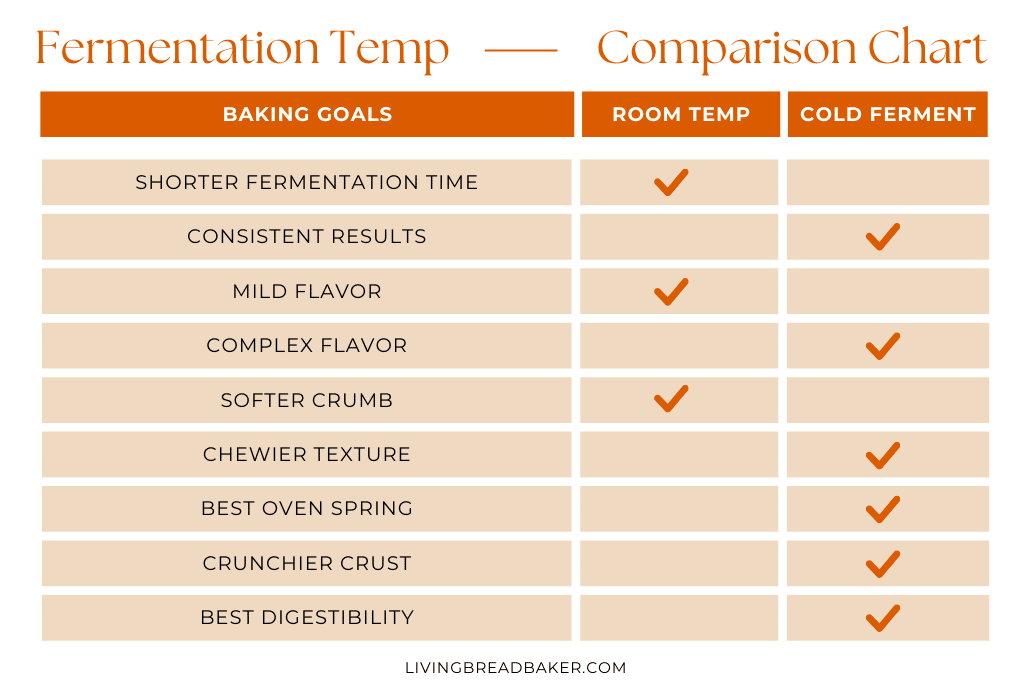
The best way depends on your baking goals:
- For a faster fermentation and quick bakes, choose room temperature fermentation.
- For a longer fermentation, better flavor, more digestible bread, and improved structure, go with cold fermentation.
Experiment with both methods in your home oven to find the sweet spot that works for you. Even identical doughs can produce different results depending on the fermentation temperature and time.
Final Thoughts
Whether you’re baking sourdough bread, perfecting pizza dough, or proofing bread dough, the choice of fermentation temperature can have a significant impact on your final bake.
For beginners, try cold bulk fermentation to see how lower temperatures transform your loaves into bakery-quality bread with unique characteristics and deeper flavor.
Time Planning Help for Sourdough Baking
The #1 need for sourdough bakers is help with time planning. If you want to try cold fermentation for both rises, just the bulk, or just the proof, I have you covered in my done-for-you time planning worksheets! 
Sourdough Time Planning Workbook: Perfect for new or experienced bakers, this workbook includes 8 templates ready to fill in and a baking journal. The templates cover 4 different ways to make classic sourdough country breads, 3 time planning worksheets for enriched sourdough bread depending on serving time target, and a blank template. The baking journal goes over baker’s percentages and how to take notes on your sourdough bakes.
Get a free sample of the workbook: Use this sourdough time planning worksheet sample to simplify your baking.
Just getting started with sourdough?
A competent guide transforms sourdough baking from overwhelming to uncomplicated and fun!
Get My Free Quick Start Sourdough Guide: Learn the key terms and concepts in sourdough baking, including the differences between active sourdough starter and sourdough discard, and how to care for your starter. 
Start Baking Sourdough Confidently—Take the Intro to Sourdough Course for Just $27!
Living Bread Baker posts mentioned
Sourdough Guide to Flour: Types, Storage, & Tips
When is sourdough bulk fermentation finished?
When is sourdough finished proofing?
How to make Sourdough Bread step by step
The Easy Weekly Sourdough Method: One Dough, Many Bakes
Sourdough Apple Cinnamon Spice Country Bread (Boule) Recipe
Jalapeño Cheddar Sourdough Bread Recipe (Cheesy Crust)
How to Make Cute Pumpkin Shaped Sourdough Bread Boules
Shop this post
FREE Sourdough Quick Start Guide
Sourdough Time Planning Workbook & Baking Journal
My Intro. to Sourdough online course
This post contains affiliate links. Read my policy here.