
How to Store Sourdough Discard for Starter Discard Recipes
“Discard” can be misleading—I get so many questions from students about this! You might think it means “throw away,” but sourdough discard is actually a valuable ingredient you can use to make delicious recipes. So, let’s clear up the confusion!
In this post, I’ll explain how to store your sourdough discard, how long you can keep it, and what to do if you see liquid on top. Plus, I’ll share some easy ways to use your discard so it never goes to waste!
If you’re unsure what sourdough discard is, read this first: What is sourdough discard?

Helpful Tools for Managing your Sourdough Starter
- Pint size mason jars, wide mouth variety
- Plastic leak-proof wide mouth size lids
- Wide mouth size wood lids
- Pint-size mason jars, regular mouth
- Regular mouth size wood lids
- Wood spurtle for stirring
- Danish dough whisk
See the full list of my recommended essentials here: Amazon idea list of Sourdough Essentials (see affiliate disclosure)
How to Store Sourdough Discard
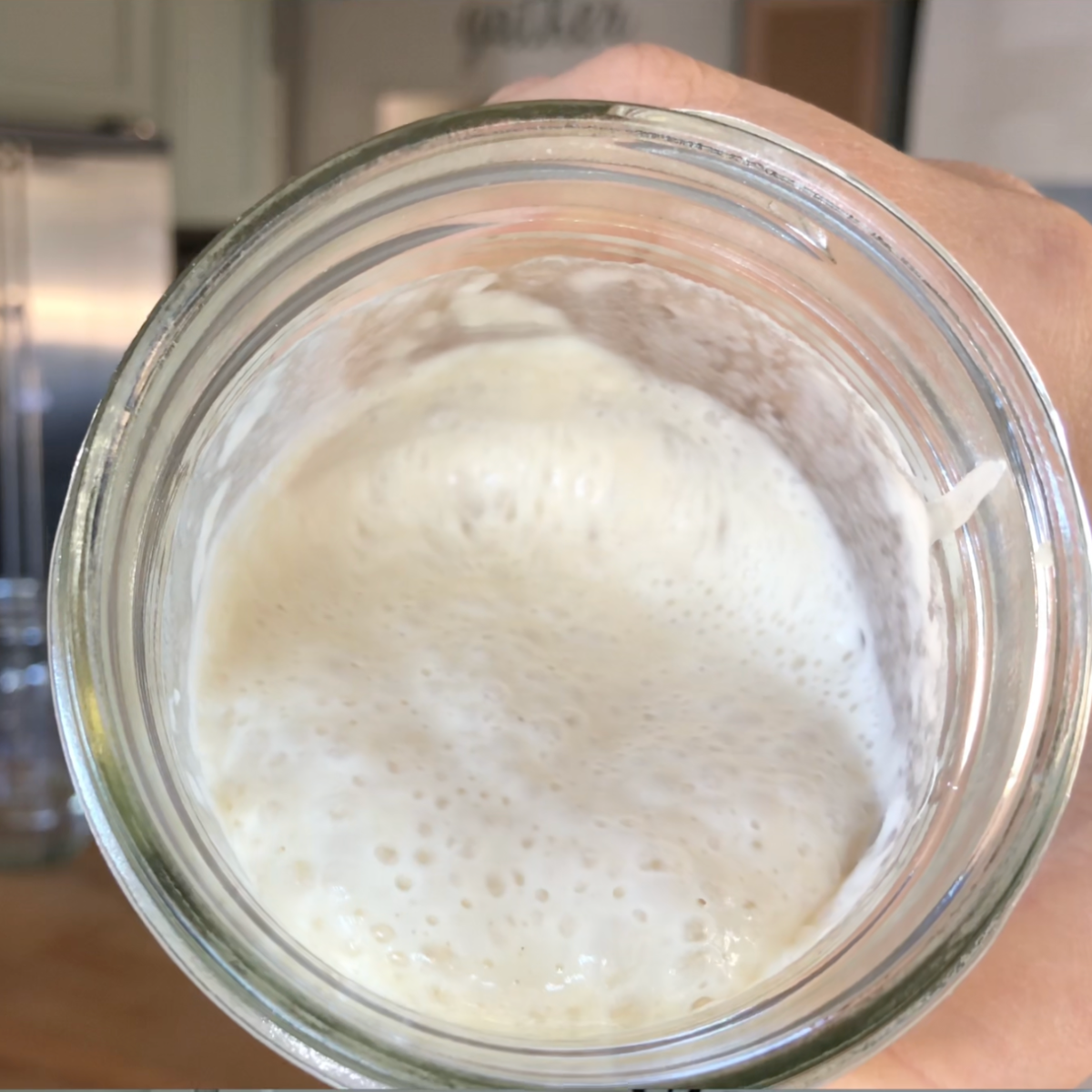
- Start a Discard Jar
Set aside a jar in your fridge for storing excess starter. This keeps it handy for future recipes, so you don’t have to toss it. - Label It
Use blue painter’s tape to mark the date when you add discard to your jar. This helps you keep track of how old it is. - Use Within 3-4 Weeks
For the best results, try to use the discard within 3-4 weeks. After that, it may start to break down too much and become too sour for most recipes. - Find Recipes for Your Discard
There are so many delicious ways to use discard! Try recipes like sourdough pancakes, crackers, or pizza crust. (Check out some of my favorite discard recipes here!)
Common Questions About Sourdough Discard
Sourdough discard can be confusing for new bakers, especially when it comes to storage, safety, and how to use it.
Is it still safe if there’s liquid on top? How long can you keep it in the fridge?
These are some of the most common concerns, and understanding the answers can help you get the most out of your discard. Let’s clear up these questions so you can confidently use and store your sourdough discard without any worries!
Why is There Liquid on Top of My Discard?
That layer of liquid is called “hooch” and is totally normal! It’s alcohol that the microorganisms release to protect themselves.
You can either pour it off or stir it in. Stirring it in makes your discard more sour, but there’s no harm in doing it.
Personally, I prefer to pour it off the top since it is a waste byproduct.
Can Discard Go Bad or Make Me Sick?
As long as your discard hasn’t developed mold, it’s safe to use.
Over time, it will just become more sour and might form more hooch, but that doesn’t mean it’s spoiled.
How Long Can I Store Sourdough Discard?
For the best flavor and texture, use discard within 3-4 weeks. As the discard is stored in the fridge, it will continue to break down and get more sour over time.
It’s still okay to use in recipes that benefit from strong flavors, like crackers or in my overnight sponge for amazing sourdough pancakes.
Top Sourdough Discard Recipes:
- The Best Sourdough Pancakes Recipe (Discard Sponge Method)
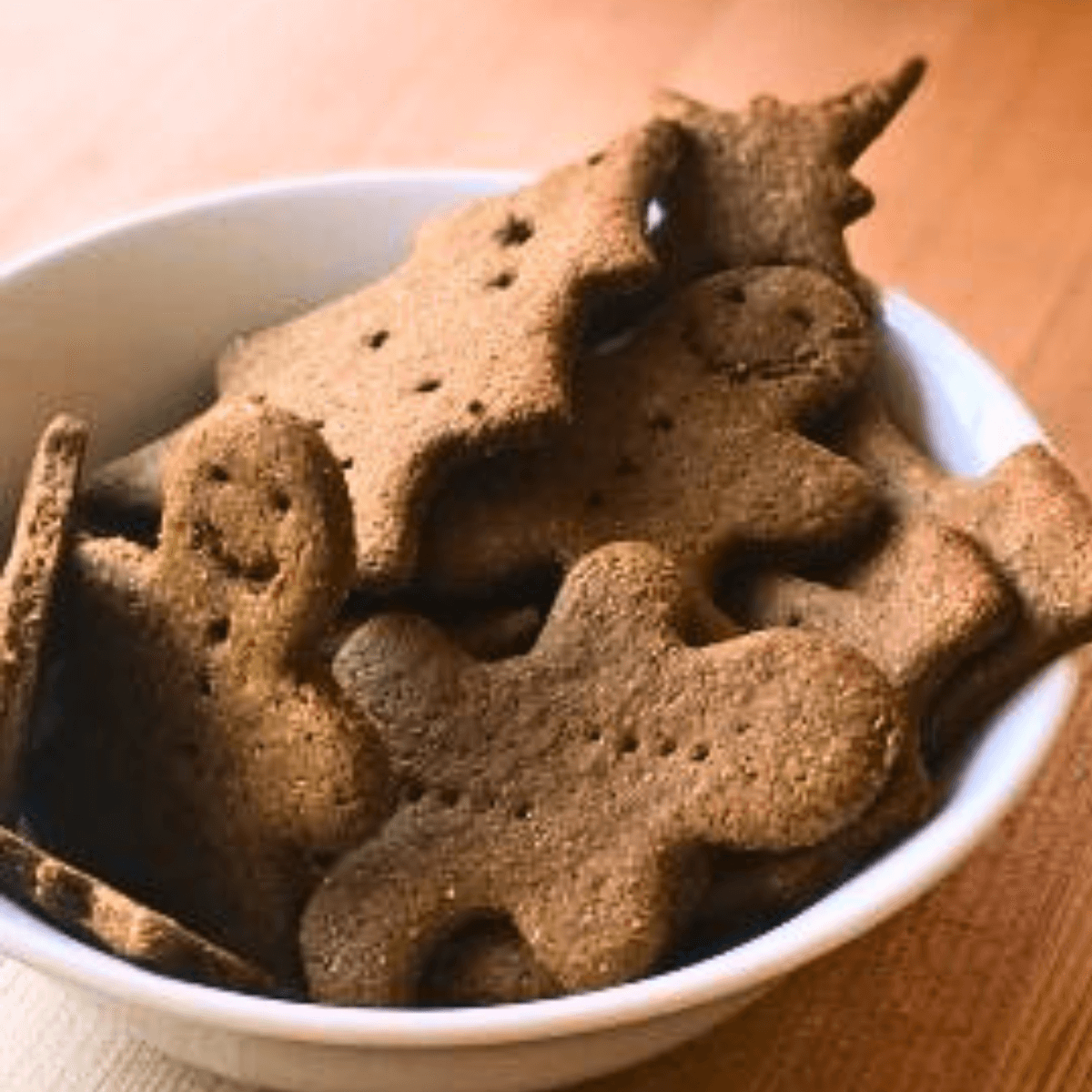
- Sourdough Discard Graham Crackers Recipe
- Easy Overnight Sourdough Waffles (Discard Sponge Method)
- Overnight Sourdough Muffins MASTER Recipe
- Sourdough Apple Fritter Bread Fall Sourdough Recipe

Bottom Line: Save It or Toss It?
If you love the idea of having an emergency stash of sourdough discard or trying new recipes with it, storing it is a great idea! But if keeping up with it feels like too much, don’t worry—you can compost it or throw it away. Just be sure to keep enough starter on hand for your next batch.
Wondering why you should save sourdough discard? Check out this post: Why keep sourdough discard?
Want to Learn More?
Explore the rest of this series:
How do you use sourdough discard?
Spread the Sourdough Love!
If you found this post helpful, share it with your fellow bakers!
Whether they’re just starting out or seasoned pros, sharing is a great way to help others make the most of their sourdough discard.
Post it on social media and tag me @livingbreadbaker , send it to a friend, or save it for later. Let’s grow the sourdough community together!
Just getting started with sourdough?
A competent guide transforms sourdough baking from overwhelming to uncomplicated and fun!
Get My Free Quick Start Sourdough Guide: Learn the key terms and concepts in sourdough baking, including the differences between active sourdough starter and sourdough discard, and how to care for your starter.
Start Baking Sourdough Confidently—Take the Intro to Sourdough Course for Just $17!
Time Planning Help for Sourdough Baking
The #1 need for sourdough bakers is help with time planning, so I created a resource for you.
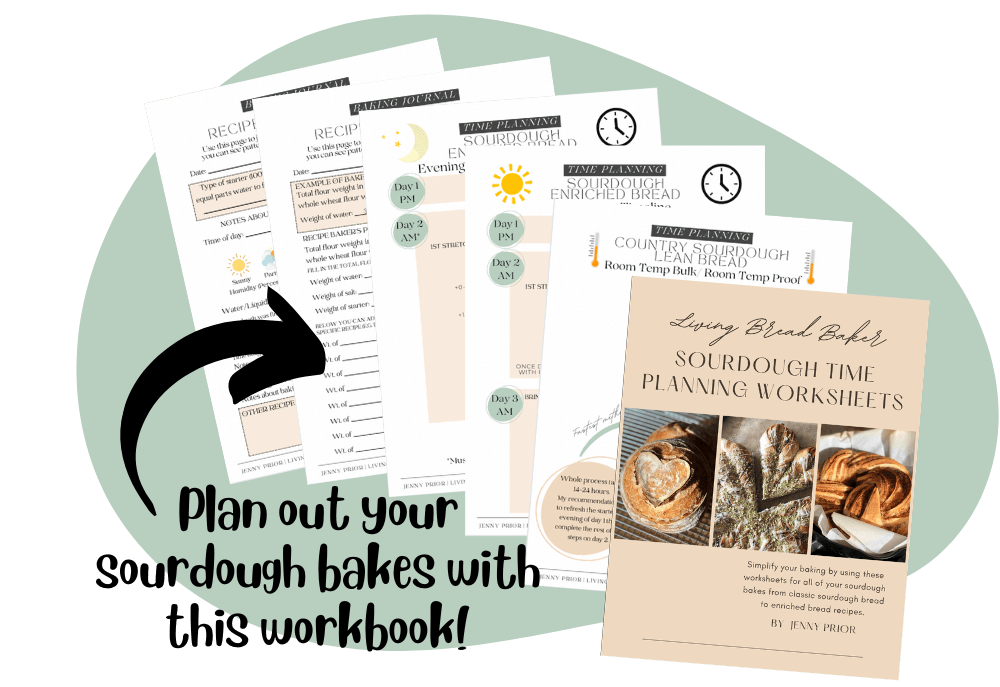
Sourdough Time Planning Workbook: Perfect for new or experienced bakers, this workbook includes 8 templates ready to fill in and a baking journal. The templates cover 4 different ways to make classic sourdough country breads, 3 time planning worksheets for enriched sourdough bread depending on serving time target, and a blank template. The baking journal goes over baker’s percentages and how to take notes on your sourdough bakes.
Get a free sample of the workbook: Use this sourdough time planning worksheet sample to simplify your baking.
Living Bread Baker posts mentioned
When is sourdough bulk fermentation finished?
When is sourdough finished proofing?
Easy & Soft Savory Sourdough Cheese Twist Rolls
Shop this post
FREE Sourdough Quick Start Guide
Sourdough Time Planning Workbook & Baking Journal
My Intro. to Sourdough online course
This post contains affiliate links. Read my policy here.




6 Comments